What it takes to sell to agents
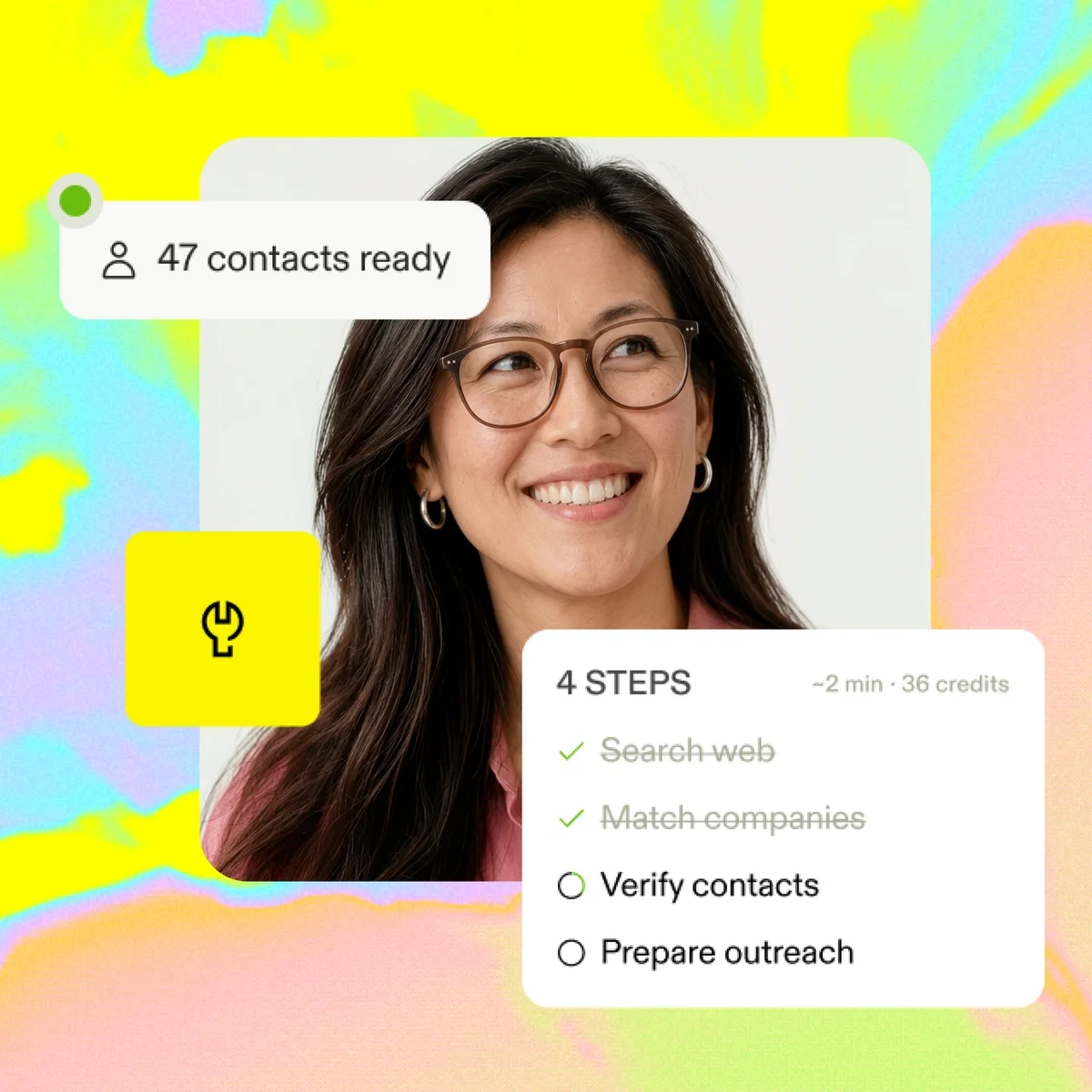
In about three weeks this summer, 54,002 new teams started using Apollo through Claude, ChatGPT, or software they'd built themselves. Many never opened the Apollo app.
That's a pretty big shift in how people use software, and it's only the beginning.
Think about how you research a purchase today. Instead of searching Google, opening ten tabs, and comparing options yourself, you can ask an LLM to do the research and recommend what to buy.
Now people are starting to use agents to do more than research. They're asking them to find software, connect to it, and get work done.
The new rules of software discovery
Agents aren't making many B2B purchasing decisions on their own yet, but they’re already influencing which products people discover and use. And as agents take on more work, I expect that influence to grow.
For software companies, that raises a new question: When an agent goes looking for a solution, will it find your product? And if it does, can it actually purchase, then use it?
Building for agents comes down to two things: making your product easy to find and making it easy to access.
Be easy to find
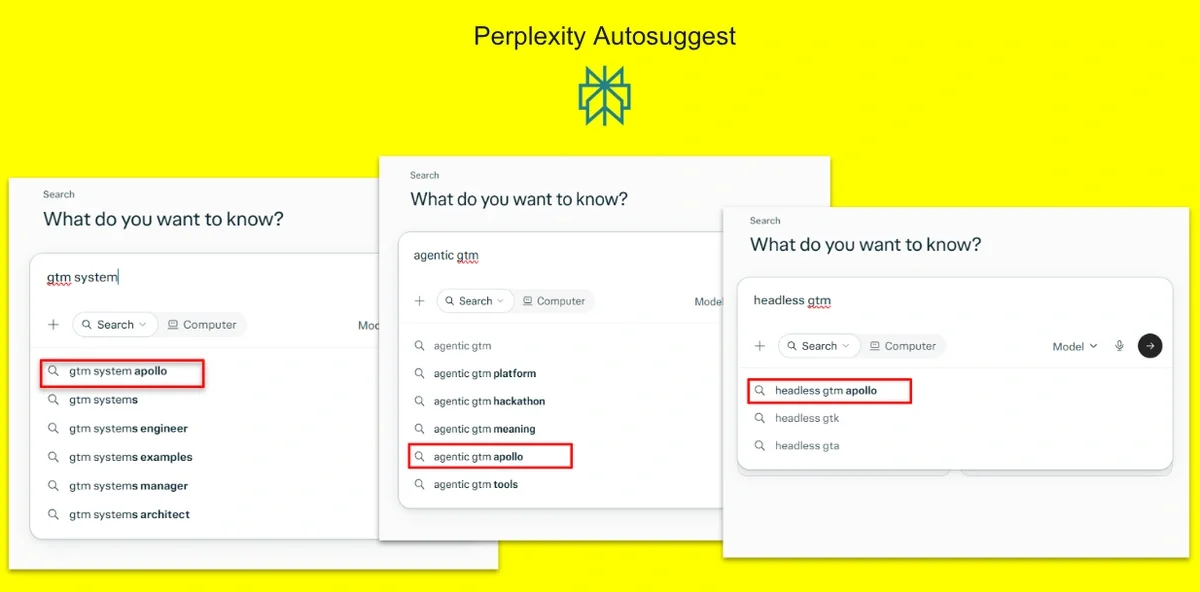
As magical as agents seem, they can’t find a company that has done nothing to be findable.
They start with a query, the same way search always has. So make sure your website is indexed, your product is easy to understand, and people are talking about your company. Because if an agent can’t find you, it can’t recommend you.
Agents also value user-generated content highly, especially now that so much content is written by AI. It’s why Reddit shows up everywhere.
The fundamentals of good marketing haven’t changed, they’ve just become more important.
Be easy to access
Agents act like lightning, taking the fastest path to ground.
In software, the fastest path for agents is product-led. You sign up for free, grab an API key, and start using the product right away. You only pay once it’s working. That’s why agents keep reaching for Stripe, Vercel, and Netlify. Sales-led software runs in the opposite order. You pay first, implement second, and use it last. Sure, an agent could research your product on behalf of a user. But you can't effectively sell to that agent if it can’t touch your product.
Imagine a potential buyer asks Claude to find the best project management solution. It does the research and comes back with two suggested products: it can sign up for one then and there, and the other requires a sales call.
Which one do you think the buyer is more likely to pick?
That’s what agent-friendly means to me. Everything a person can do in your product, an agent should be able to do, too.
Why does that matter so much? Because when an agent gets stuck, it has to find another way to finish the job.
Say your agent can find leads in Apollo but can't send emails. Now it needs another tool. It has to move the data over, connect the systems, and figure out how to keep everything working together.
That's more work, more complexity, and more opportunities for something to break. The same problems people run into with disconnected software.
If a capability is useful to your customers, why wouldn't you make it available to their agents?
Access is just the start
Here at Apollo, we’ve opened everything to agents by design. We believe this level of access is the starting point of building modern GTM. And we’re learning as we build.
Once all of Apollo was available to agents, they had a lot to choose from. We quickly learned that these agents were prone to grabbing the wrong tool or running steps in the wrong order.
That's why we built GTM Harness, Apollo’s purpose-built intelligence engine, and it's why we're launching something new today.
Let your agent hand off to ours
Starting today, your agent can hand a whole prospecting job to Apollo’s agent.
Keep working in ChatGPT, Claude, or the agent you built yourself. Ask for leads in plain English, the way you already do. Your agent passes the job to Apollo's agent, which knows our platform and data better than any other tool or agent could. It works out the right search, tries more than one approach, and checks the results before handing them back.
When our database doesn't have the answer, Apollo's agent looks further. It uses Google Maps to find local businesses. It uses AI research to check each company against what you asked for. It goes straight to online directories when the list you need lives on the web. You see the credit cost and approve it before anything gets spent.
Example: You sell to medical device companies in California, but only the ones registered with the FDA. There’s no filter for that.
Before: Your agent guesses.
Now: Apollo’s agent researches each company and hands back the ones that qualify, with the reason each one fits.
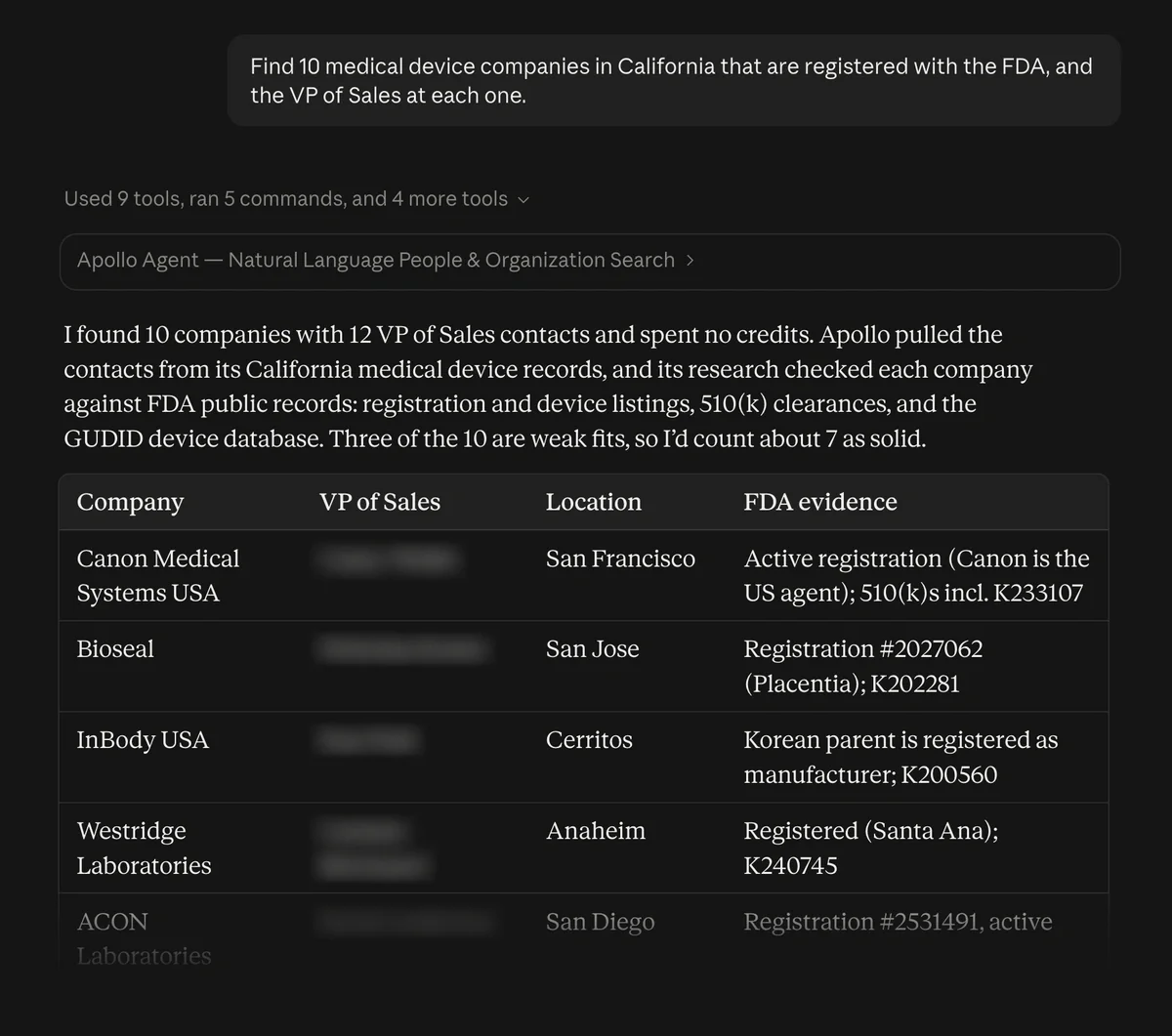
From there, your own agent takes it home. It can verify every email and phone number through Apollo, write a personal email for each person, and push them all into an Apollo sequence in one step.
You never have to talk to Apollo's agent. Your agent does.
I'm a founder, not a sales expert. Apollo filled in the GTM know-how I was missing. Through the MCP, I tapped its database and web research to build my first campaign in about 30 minutes, end to end. It's been a lifesaver.
- Jiri Kobelka, Co-Founder & CEO, ClosedLoop AI
Why you shouldn't rebuild GTM from scratch
Could you build all of this yourself with Claude? Theoretically, yes. Your agent would need to find a list of companies, source a sending tool, set up tracking, warm up domains and mailboxes, write messages that actually get replies, and store the campaigns and optimize them over time. Then you book the meeting.
But where does it go? And who owns the next step?
And building it yourself is the cheap part. You also pay to run it, maintain it, and store it, in tokens and in hours, every month.
All of those are solved problems inside Apollo, with compliance built in, for over 600,000 companies.
Before AI, the only way to run modern GTM was to buy a stack of tools, stitch them together, and add a CRM to make sense of it all. Apollo was built to fix that. It’s why we were growing fast before AI showed up, and it’s why we’re building the AI GTM system that brings it all together now.
So why would your agent rebuild all of that instead of just using Apollo for $50 a month?
Through Apollo's API, we pull from Apollo's prospecting database and conduct web research to narrow in on our ICP. Paired with Claude routines, our GTM team wakes up every morning to a vetted contact list and drafted outbound, ready to review and send. It saves everyone roughly two hours a day, and we've already seen reply rates climb 5–7%.
- Simon Ooley, Co-Founder & CEO, Veles
My advice for builders
I’ve been a builder my whole career, long before AI made it cool. So if you’re just getting started handing work to agents, here’s my advice: build for what your sellers are asking for.
When I ran sales and RevOps teams, I took the best people with the best ideas and built what worked for them. Some of the best builders I've worked with started as account managers. They were great at sales, close to the customer, and just needed a little technical help.
I'm the nerd in the lab. But I still don't believe the best ideas only come from the lab. The people talking to customers every day understand their problems. They possess the context and knowledge to help build things that are 100x more valuable, because they're ultimately the ones who'll use them.
So start there. Find the prospecting job your sellers do by hand every week, and hand it to your agent.
Then judge it by one question: did it work?
That’s the bar we hold Apollo to. Bring your agent and see for yourself.
Share this post
Start using Apollo today
Start your free trial with Apollo today—then use these resources to guide you through every step of the process.
Start using Apollo today
Start your free trial with Apollo today—then use these resources to guide you through every step of the process.
or
By signing up, I agree to Apollo's Terms of Service and Privacy Policy.
Continue Learning
Explore these handpicked resources to deepen your understanding of AI-powered GTM
The Future of Go-to-Market
Data vendor, sequencer, enrichment tool, dialer, RevOps stitching it all together. That's how GTM has been built for a decade. Here's why it's time for that to end, and the system replacing it.
Apollo is now available in ChatGPT
Search prospects, enrich contacts, add to sequences, and analyze performance — without leaving ChatGPT. The full outbound loop, now in one conversation.
Apollo Selected as a Data Provider for HubSpot’s New Breeze Prospecting Agent
Apollo's 230M+ contact database is now embedded in HubSpot's Breeze Prospecting Agent, currently available in public beta with a 28-day free trial.
How Clay and Apollo Help You Move From Data to Deals Faster
New improvements to the Clay + Apollo integration help joint customers enrich data at scale and turn insights into outbound faster.