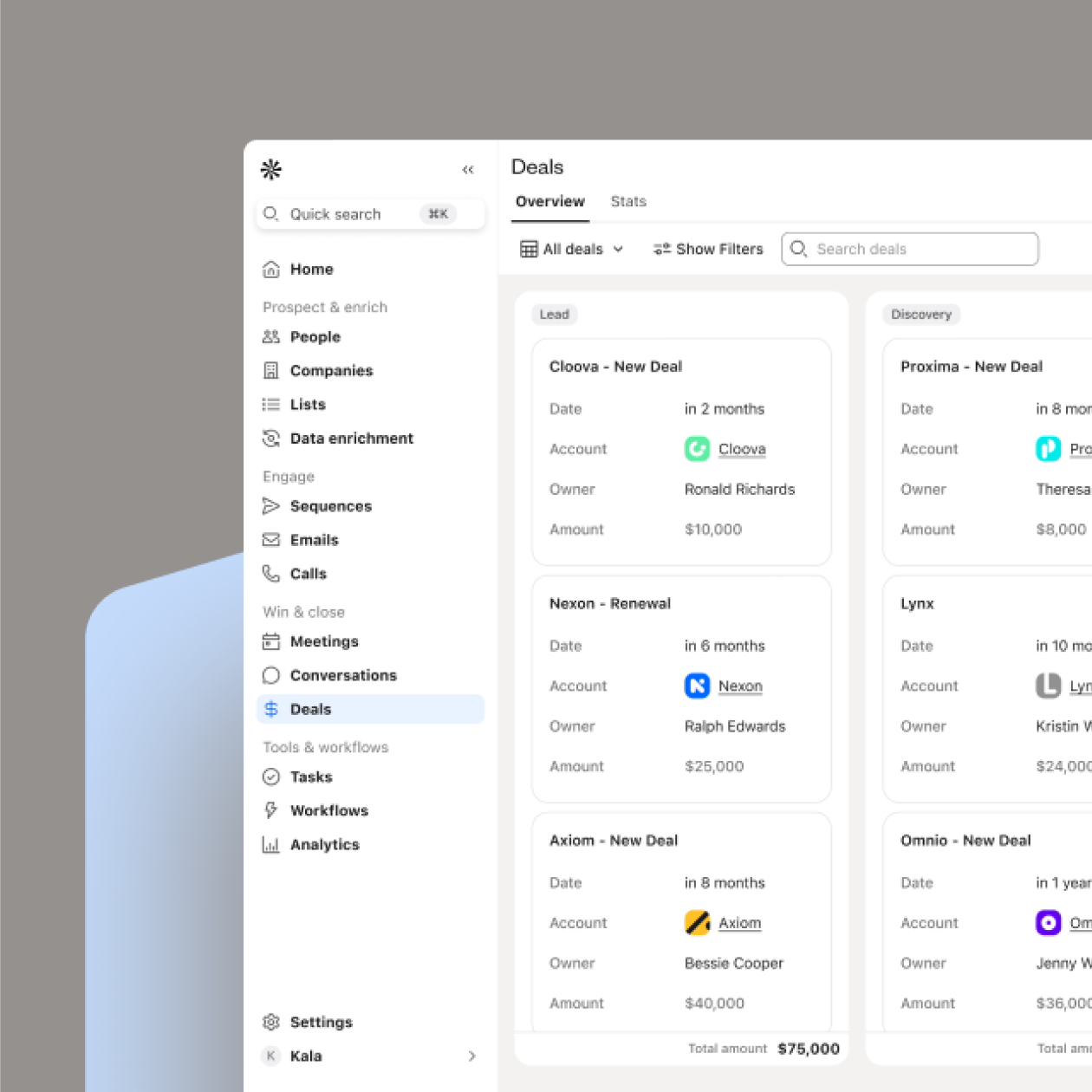
What are the best sources for qualified solar prospect phone numbers?
Smart solar sales professionals diversify their lead sources to build a sustainable pipeline, with the most successful teams generating at least 35% of revenue from referrals while ensuring no single source accounts for more than 20% of total leads. The highest-quality prospects come from self-generated channels you control—including customer referrals, organic website traffic, and in-house PPC campaigns—which typically close at 50%+ compared to just 12% for purchased leads. Specialized platforms like EnergySage provide access to educated, motivated buyers who understand solar benefits, while industry-specific CRM systems like Apollo help centralize and qualify prospects efficiently.
- Prioritize referral programs: Implement structured referral incentives and regularly check in with satisfied customers post-installation to generate warm leads that convert at 4x higher rates than cold prospects
- Leverage integrated platforms: Use comprehensive tools like Apollo that combine lead generation, qualification, and CRM capabilities to track prospects from multiple sources while maintaining TCPA compliance
- Build owned marketing channels: Invest in SEO, content marketing, and managed Google Ads campaigns that you control directly, avoiding dependency on third-party lead vendors who often resell the same leads to multiple installers
- Vet purchased leads carefully: When supplementing with bought leads, ask providers about their generation methods, TCPA compliance, and exclusivity—avoiding "co-registration" or incentivized leads that attract price shoppers
Which cold calling scripts generate the highest solar appointment rates?
The most effective solar cold calling scripts focus on quickly establishing value and setting appointments rather than attempting to sell the entire system, with successful reps getting to their point within the first 60 seconds using benefit-driven hooks like specific cost savings or environmental impact tailored to the homeowner's situation. Top performers use flexible script frameworks that allow authentic conversation while hitting key points, acknowledging objections empathetically before bridging back to appointment value, and always offering two specific meeting times using the alternative close technique. Research shows that balancing talking with active listening, followed by multi-channel touchpoints including emails and voicemails, can increase appointment rates by up to 400% when leads are contacted within one minute of inquiry.
- Create a compelling 60-second opener: Start with "Hi [Name], I'm calling because we've helped 37 homeowners in [neighborhood] reduce their electricity bills by an average of $125/month—I'd love to show you how we could do the same for you. Do you have 30 seconds?"
- Use the acknowledgment bridge technique: When hearing "I'm too busy," respond with "I completely understand you're busy—that's exactly why I'm calling to schedule a convenient time next week when you can learn how to save money without any effort on your part"
- Implement the six-call rule: Make exactly six attempts over two weeks, varying times and days, as data shows most conversions happen by the sixth call—combine with personalized emails referencing specific benefits discussed
- Master the alternative close: Instead of asking "Would you like to meet?" say "I have two openings to review your potential savings—Tuesday at 2 PM or Thursday at 10 AM. Which works better for your schedule?"
What qualifying questions should solar installers ask prospects during sales meetings?
Successful solar sales professionals use strategic qualifying questions to quickly identify serious buyers and ensure project viability, starting with fundamental filters like homeownership status, roof condition, and average monthly electricity bills before diving into more sophisticated topics like tax credit eligibility and financing preferences. The most effective approach sequences questions to match the customer's knowledge level—beginning with basic suitability assessments for less familiar prospects, then advancing to specific concerns about warranties, installer certifications, and system monitoring for more educated buyers. Top performers always verify decision-maker involvement early and clarify timeline expectations, as these factors significantly impact close rates and help prioritize follow-up efforts.
- Start with the "Big Three" qualifiers: Confirm homeownership ("Are you the property owner?"), assess financial readiness ("What's your average monthly electric bill?" and "Are you comfortable with financing options?"), and establish timeline ("When would you ideally like to see savings on your electricity bill?")
- Uncover site-specific requirements: Ask about roof age and shading, planned home improvements, HOA restrictions, and electrical panel capacity to identify potential installation challenges before investing significant sales time
- Explore tax credit optimization: Determine their tax liability situation with "Are you aware of the 30% federal tax credit, and would you have sufficient tax liability to use it this year?"—then introduce Apollo's tools for tracking and managing incentive documentation
- Gauge comparison shopping status: Ask "What other proposals have you reviewed, and what questions remain unanswered?" to understand their decision criteria and position your solution effectively against competitors
Which presentation techniques increase solar installation meeting conversions?
Elite solar sales professionals increase conversion rates by focusing presentations on clear monthly bill savings rather than abstract environmental benefits, using consultative approaches that build trust through transparency about realistic outcomes and potential challenges like permitting delays. The most successful presenters tailor their content to the customer's familiarity level—providing basic cost and suitability information to newcomers while addressing financing specifics and installer credentials for educated buyers—and always leverage social proof by highlighting installations in the prospect's neighborhood. Research shows that presentations incorporating personalized energy savings analyses, clear financial comparisons, and rapid follow-up within 24 hours can improve conversion rates by up to 25%, especially when combined with tools like Apollo that enable data-driven proposals and automated follow-up sequences.
- Lead with personalized economics: Open with "Based on your $275 monthly bill and south-facing roof, you could save approximately $165 per month starting day one"—use actual neighborhood examples and Apollo's data analytics to create customized projections
- Address the "Big Three" concerns sequentially: First establish financial benefits clearly, then demonstrate company credibility with certifications and reviews, finally outline the simple installation process with specific timelines and your handling of permits
- Implement the "show, don't tell" approach: Use visual aids showing actual customer bills before and after, display real-time monitoring dashboards, and provide references from satisfied customers within a 5-mile radius
- Create urgency through education: Explain time-sensitive incentives and utility rate increases, but avoid pressure tactics—instead, say "The 30% federal tax credit is confirmed through 2032, but utility rates increased 4.2% last year alone in your area"
Event production companies
Corporate planners
Marketing teams
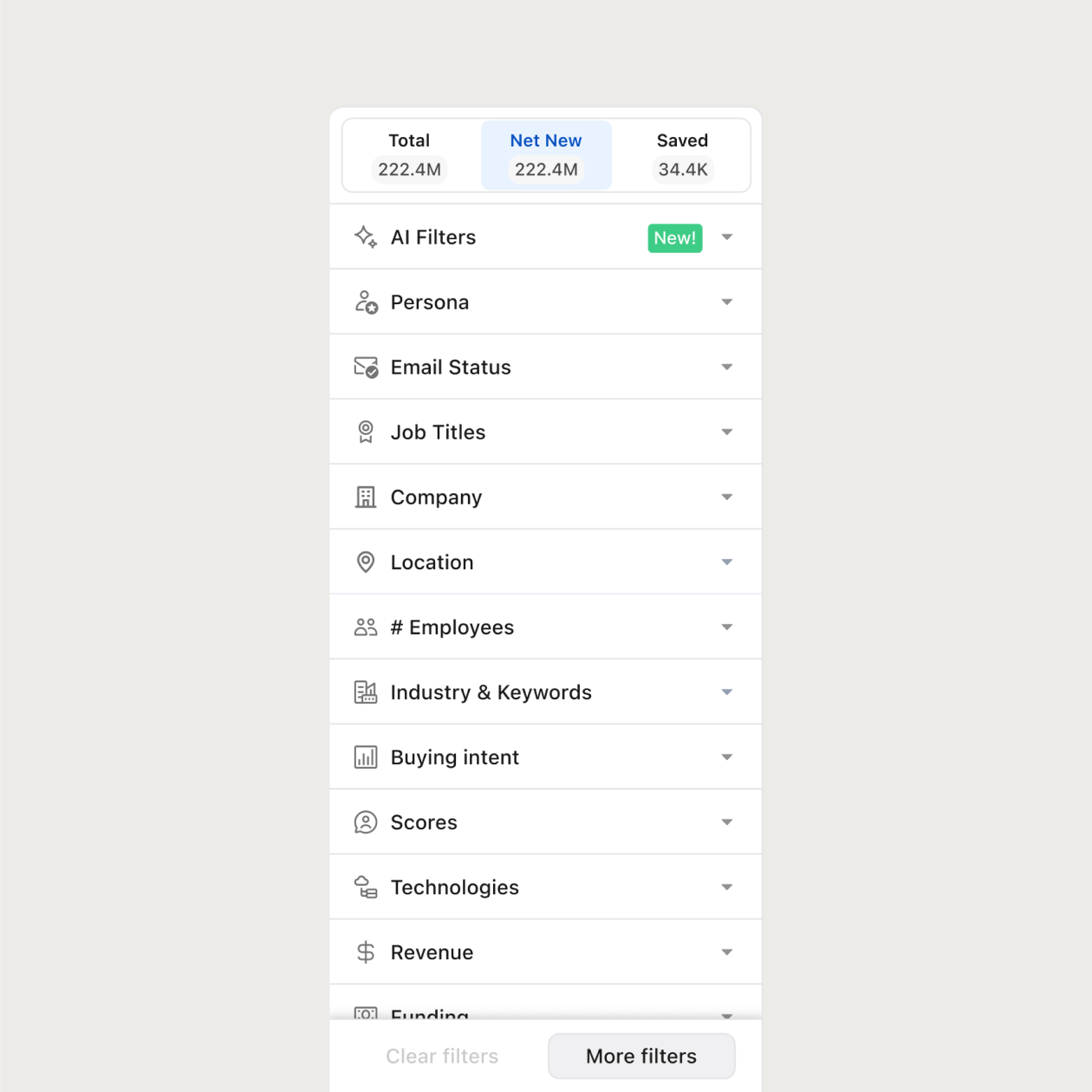
Verified Solar Installer Leads Made Easy
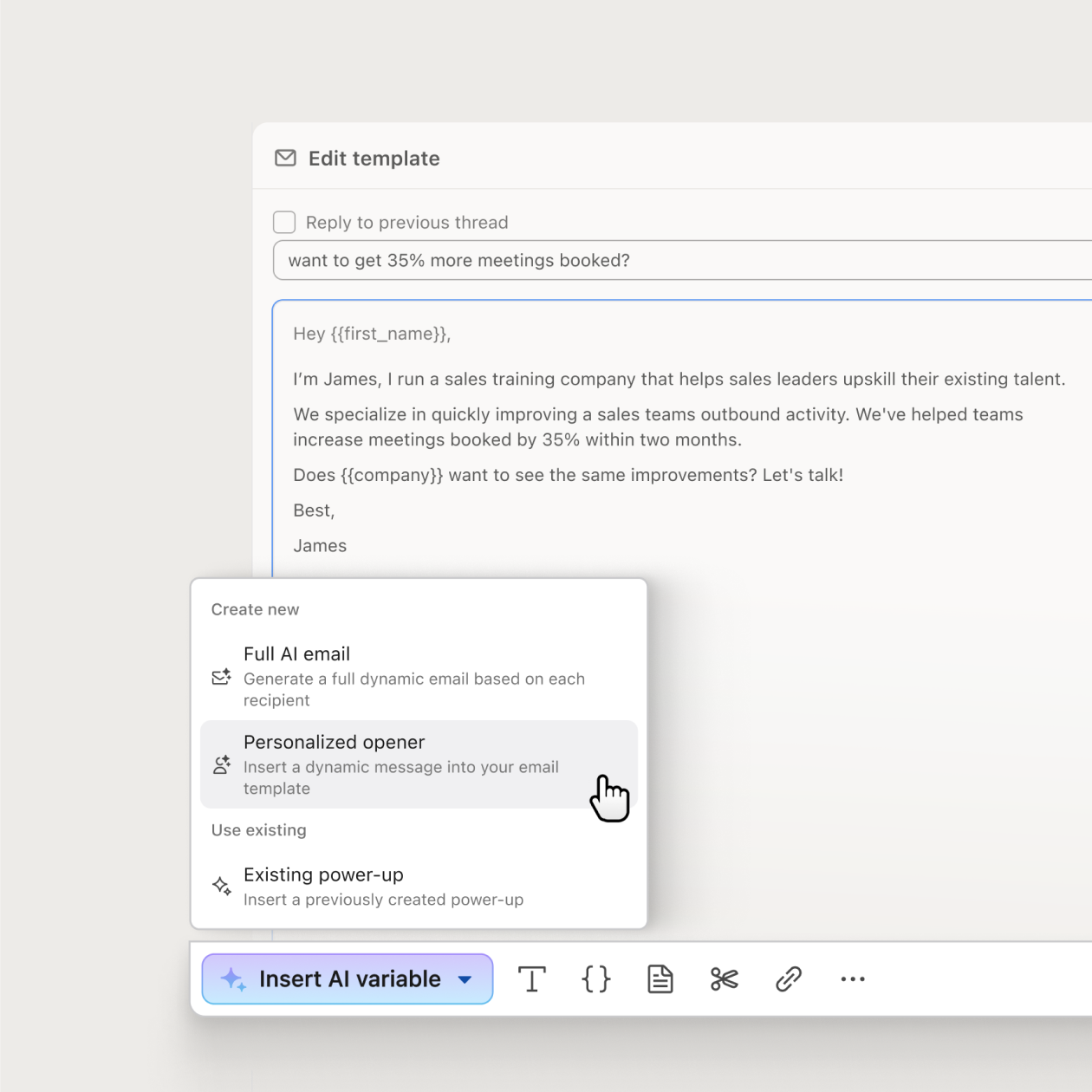
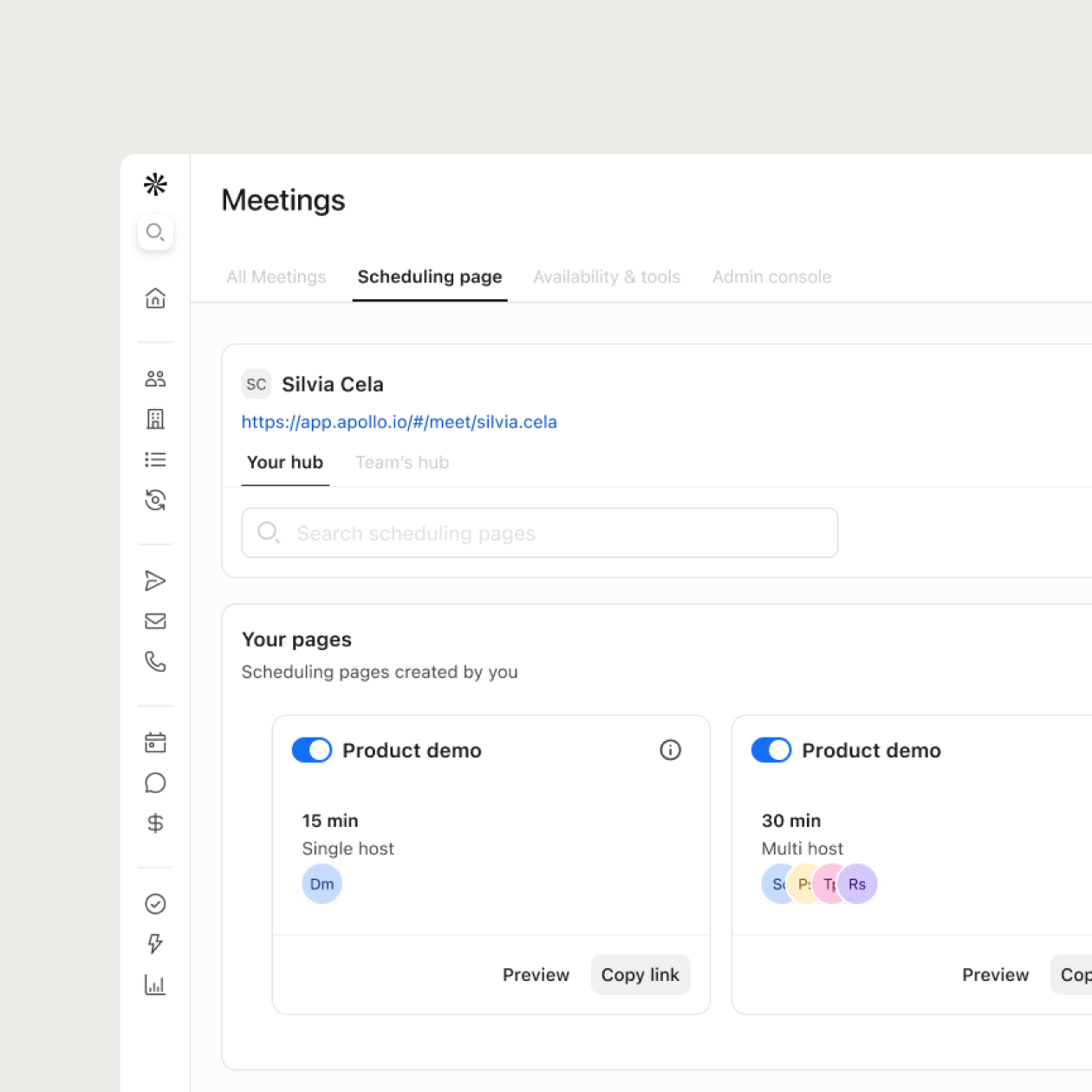
The most loved sales platform on the planet
4.7/5 based on 9,690 reviews | GDPR Compliant





Frequently asked questions
Yes, Apollo allows filtering by solar business type.
Absolutely — use role-based filters to target both.
Apollo includes robust geo filters.
Apollo integrates with major CRMs.
