What are the highest-converting cold email templates for auto repair lead generation?
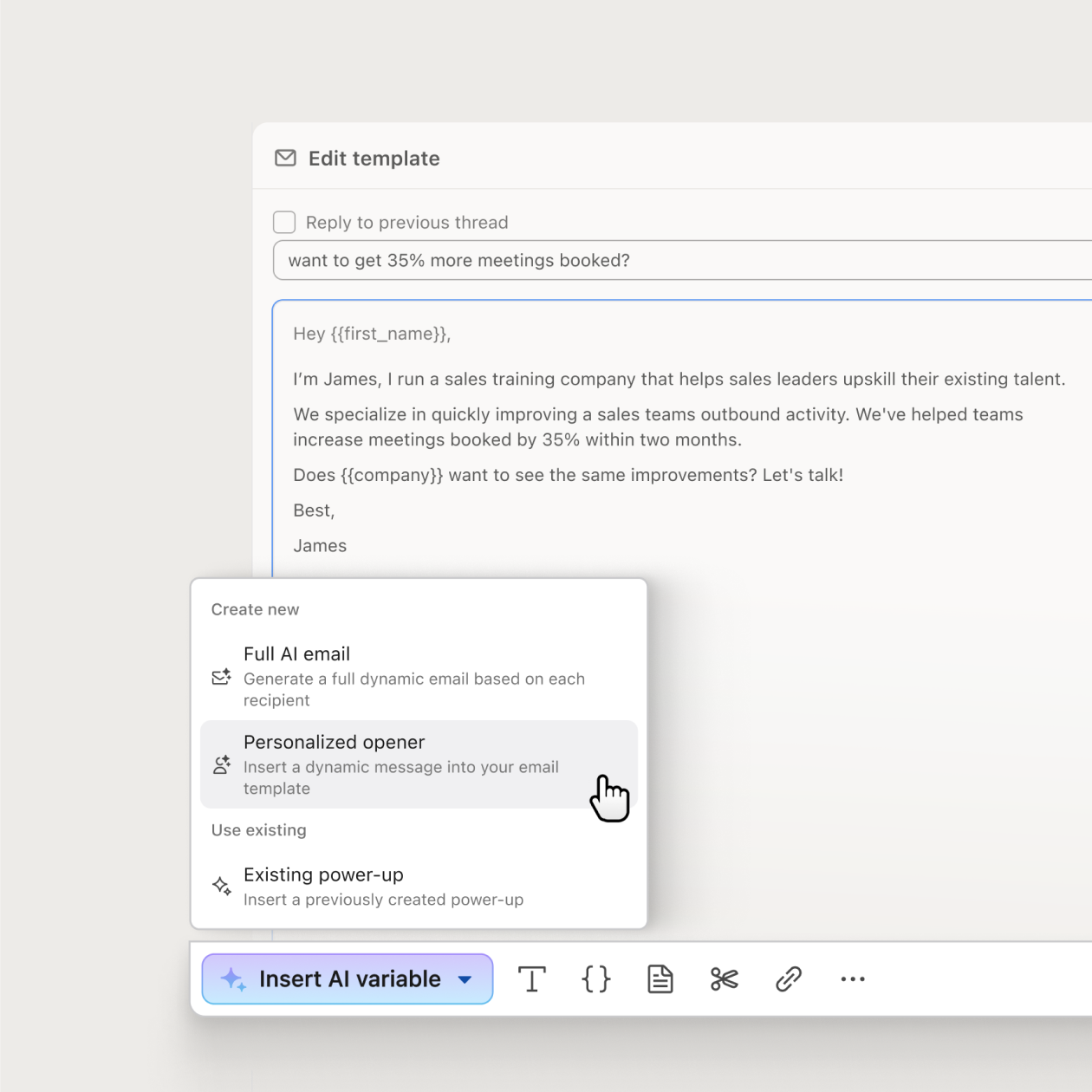
The most effective cold emails for auto repair shops combine hyper-personalization with immediate value demonstration, keeping messages under 125 words while addressing specific pain points like customer retention or appointment scheduling. Start by referencing something specific about their business—recent reviews, local achievements, or visible challenges—then offer a quick win such as a free checklist for boosting Google reviews or a case study showing how similar shops increased their appointment bookings by 25%. Remember that auto repair shop owners are extremely busy and skeptical of generic pitches, so every word must earn its place and demonstrate genuine understanding of their daily operations.
- Lead with local relevance: Open with "Saw your 5-star reviews on Main Street" or "Noticed you specialize in European cars"—specificity beats generic compliments every time
- Use a 5-email sequence spaced 2-4 days apart: Email 1 (congratulate + identify pain), Email 2 (share success story), Email 3 (personalized resource), Email 4 (acknowledge busy schedule), Email 5 (permission to close)
- Test subject lines that mention specific benefits: "How [Local Competitor] filled their schedule in 30 days" or "[Shop Name], missing out on these 3 customer sources?" consistently outperform generic subjects
- Include one clear, soft CTA per email: Instead of "Let's schedule a demo," try "Would a 10-minute call this week work to share how we helped Mike's Auto boost appointments by 40%?"
What's the best time to call auto shop owners for meetings?
The sweet spot for reaching auto shop owners is mid-morning between 9:30-11:00 AM, after they've handled the morning rush of customer drop-offs but before the lunch hour chaos begins. Monday mornings present the highest success rates as shops are planning their week and handling administrative tasks, while Friday afternoons should be avoided entirely as many shops close early or are focused on wrapping up the week's work. Timing your outreach during these windows dramatically increases your chances of having a meaningful conversation rather than catching them while juggling customer complaints or managing technician issues.
- Target Monday-Wednesday mornings first: Call volume and appointment requests drop significantly as the week progresses, making shop owners more receptive early in the week
- Avoid these dead zones: Opening hour (too busy with drop-offs), 12-1 PM (lunch rush), and after 4 PM (customer pickups and closing tasks)
- Schedule follow-up calls for mid-afternoon slots: If initial contact is made, book meetings for 2-4 PM when customer traffic typically slows
- Respect their workflow: If they mention being swamped, immediately offer to call back at a specific time rather than pushing through—this builds trust and shows you understand their business
What qualifying questions should you ask before booking auto shop meetings?
Before scheduling any meeting with an auto shop owner, qualify the opportunity by uncovering their primary business challenge, confirming they have decision-making authority, and establishing clear expectations for outcomes. The most successful sales professionals approach these conversations as consultative discussions rather than interrogations, asking open-ended questions like "What's your biggest operational headache right now?" or "If you could fix one thing about your customer flow, what would it be?" This approach not only qualifies the lead but also positions you as a problem-solver rather than just another vendor trying to push a product.
- Identify their most pressing pain point: "Are you struggling more with attracting new customers or keeping your bays full?" helps you tailor your entire approach
- Confirm decision-making authority and process: "Besides yourself, who else would need to weigh in on solutions for [specific challenge]?" prevents wasted meetings
- Establish meeting parameters upfront: "If we meet for 20 minutes next Tuesday and I show you how three shops like yours solved [specific problem], what would need to happen for this to be worth your time?"
- Gauge their openness to change: "On a scale of 1-10, how committed are you to solving [problem] in the next 30 days?" helps prioritize truly motivated prospects
How do you overcome 'too busy' objections from auto repair shops?
When shop owners claim they're "too busy," they're really saying they don't see how you'll save them more time than you'll consume—so immediately pivot to demonstrating efficiency gains and time savings. Share specific examples like "Mike's Automotive saved 3 hours daily by automating appointment reminders" or "Johnson Auto reduced estimate time by 60% using digital inspections," then offer flexible engagement options such as after-hours calls or quick 5-minute video demos. The key is acknowledging their time constraints while gently highlighting that staying too busy to improve is exactly why their competitors might be pulling ahead.
- Flip the objection into urgency: "I hear you're swamped—that's exactly why Tom's Tire Shop implemented our solution. They were turning away 5 customers daily until we helped them streamline scheduling"
- Offer micro-commitments: Instead of asking for 30 minutes, say "Would you have 5 minutes while you're having coffee tomorrow to see how this could free up 2 hours of your day?"
- Use social proof from similar shops: "The owner at City Auto was skeptical about time investment too, but our 10-minute setup now saves his service advisors 90 minutes daily on phone calls"
- Provide immediate value: "I'll email you our free guide on reducing customer wait times—even if we never talk again, it'll help your shop run smoother"
How should sales teams handle follow-up sequences for non-responsive auto repair prospects?
Successful follow-up sequences for auto repair prospects require a delicate balance of persistence and value, with research showing 80% of sales require five or more touches to close. Structure your sequence to span 2-3 weeks with varied touchpoints—email, phone, and even SMS—while ensuring each interaction provides unique value such as industry insights, seasonal maintenance tips, or case studies from similar shops, an approach aligned with best outbound sequence length. The most effective approach combines sales automation for consistency with personalization that shows you're paying attention, such as referencing their recent Facebook post about hiring technicians or congratulating them on their shop's anniversary.
- Implement a 7-touch sequence over 14 days: Day 1 (initial email), Day 3 (value-add email with resource), Day 5 (phone call), Day 8 (case study email), Day 10 (SMS check-in), Day 12 (social proof email), Day 14 (breakup email)
- Vary your value propositions: Touch 1 (efficiency gains), Touch 2 (revenue growth), Touch 3 (customer satisfaction), Touch 4 (competitive advantage)—never repeat the same benefit twice
- Use trigger-based follow-ups: Set up Apollo alerts for when prospects open emails multiple times, visit your website, or engage with your content, then strike while interest is high
- Deploy the "permission to close" technique: Final email should read "I haven't heard back and assume you've found another solution. Should I close your file, or would you prefer I check back in 3 months when things slow down?"
Window installers
Door contractors
Residential & Commercial
Verified Auto Repair Leads Made Easy
The most loved sales platform on the planet
4.7/5 based on 9,690 reviews | GDPR Compliant





Frequently asked questions
Yes, Apollo includes both. Filter by size or name.
Most profiles include both email and direct dial.
Yes, segment by chain or region.
Yep — Apollo supports direct sync.
