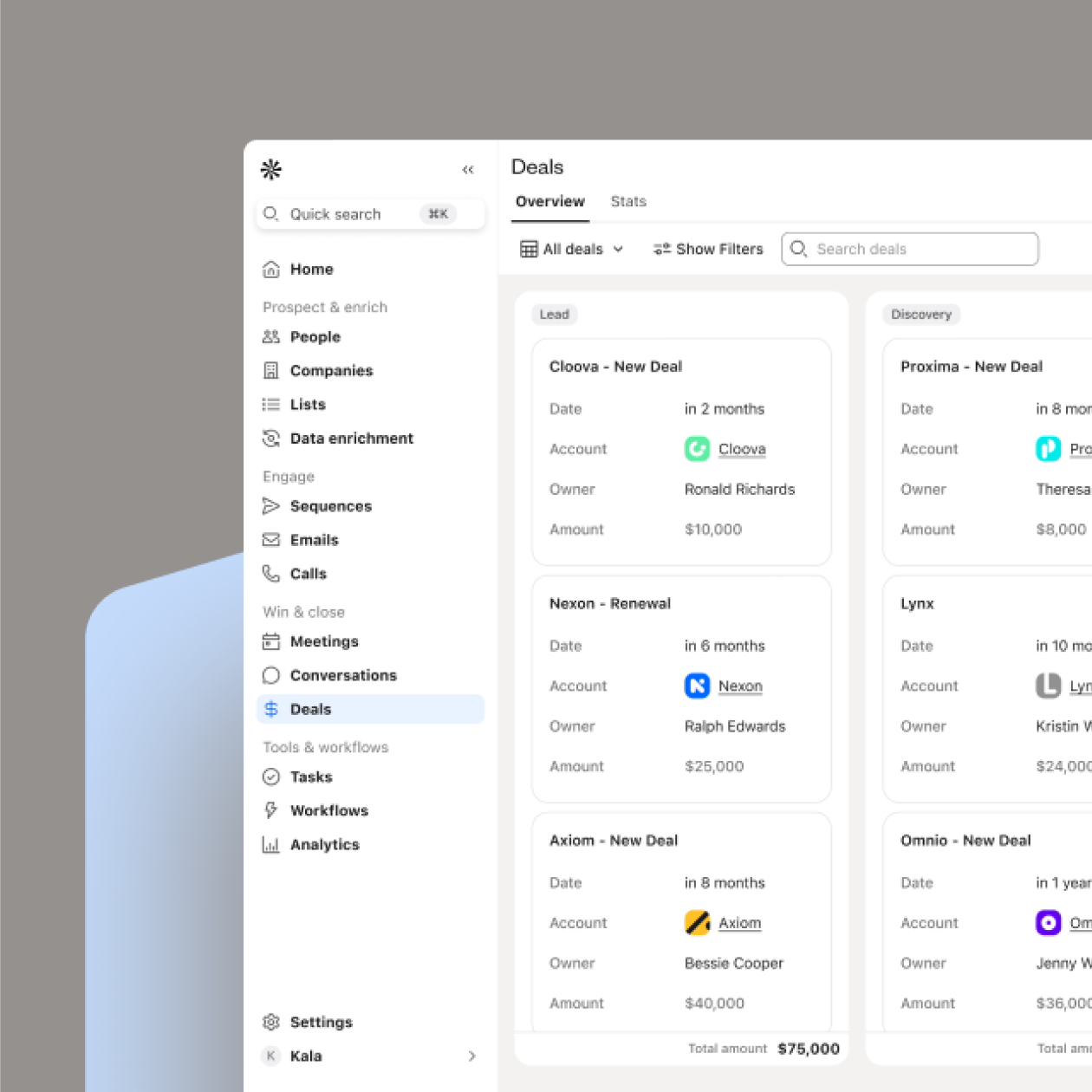
How can I effectively identify key stakeholders and decision-makers in Apple's procurement and enterprise organizations?
Apple’s functional organizational model means decisions are made by deep-domain experts, not general managers. Authority aligns with expertise, forming a spoke-and-wheel hierarchy around Tim Cook, with procurement leadership, functional teams, and enterprise sales working as three interconnected groups. Understanding this ecosystem is critical because Apple values suppliers who take the time to learn their business, culture, and expectations before engaging.
- Map the three key groups early: Identify technical evaluators, procurement/legal negotiators, and budget approvers—each requires tailored messaging. Apple’s B2B decisions often include overlapping memberships across these groups.
- Leverage enterprise sales as your entry point: Connect with leaders like John Katsafados (Business Development Director) who manage cross-regional teams designed to collaborate with vendors and facilitate internal introductions.
- Use Apollo’s intelligence tools: Integrate LinkedIn Sales Navigator and Apollo data to find function-specific experts within Operations, Hardware, and Software divisions—target specialists, not generalists.
- Register strategically via the Prospective Supplier Portal: Registration provides procurement visibility but doesn’t guarantee RFP inclusion—use it alongside direct relationship building within Apple’s business units.
What alternative outreach channels and strategies work best for bypassing Apple's call screening technology and reaching decision-makers?
Apple’s iOS 26 call-screening system now forces callers to identify themselves and their purpose before connecting, making traditional cold calling less effective. Sellers must pivot to an orchestrated, multi-channel approach blending LinkedIn, email, WhatsApp, and selective phone outreach. With email open rates exceeding 36% and LinkedIn reply rates 3× higher than email, multi-channel precision and timing are essential for engagement.
- Lead with LinkedIn: Apple decision-makers are 3× more responsive on LinkedIn than via email. Use Apollo automations for personalized LinkedIn outreach focused on recent activity and shared interests.
- Time outreach to buyer signals: Align calls or messages with hiring announcements, leadership changes, or product updates—relevance boosts receptivity and bypasses generic gatekeeping.
- Turn gatekeepers into allies: Treat executive assistants and admins as collaborators—share valuable insights, mention mutual contacts, or reference public Apple initiatives to build rapport.
- Maintain clean caller IDs: Monitor phone reputation to avoid “Spam Likely” flags and personalize voicemail scripts into concise, 15-second “micro-pitches” that add value immediately.
What evaluation criteria and decision-making factors does Apple prioritize when selecting vendors and suppliers?
Apple’s supplier selection isn’t based on cost alone—it’s about innovation, compliance, and alignment with its global standards for quality, ethics, and sustainability. Vendors are assessed across more than 500 criteria covering management systems, human rights, environment, and safety, often through third-party audits lasting up to a week. Continuous improvement and innovation are non-negotiable.
- Lead with innovation: Apple publicly ranks innovation as its top vendor trait—show how your offering creates competitive advantage, solves complex challenges, or enables Apple’s mission of excellence.
- Prepare extensive compliance documentation: Be ready with certifications and proof of adherence to Apple’s Supplier Code of Conduct, environmental standards, and audit records.
- Demonstrate cultural alignment: Show deep understanding of Apple’s high-performance, detail-obsessed culture. Position yourself as a long-term collaborator, not a transactional supplier.
- Establish performance monitoring systems: Apple grades suppliers on a 100-point scale with CAPs (Corrective Action Plans) for underperformance—prepare dashboards and metrics tracking quality, sustainability, and innovation outputs.
How can I personalize messaging and value propositions to resonate with Apple's corporate culture and specific departmental needs?
Apple’s culture celebrates innovation, precision, and creative excellence. Each function—Hardware Engineering, Operations, Software—operates as a high-performing specialty with leaders who expect partners to elevate their expertise. The best messaging aligns with Apple’s mission to “think different,” connecting your value proposition directly to innovation enablement and world-class performance.
- Frame around innovation enablement: Present your solution as a multiplier of Apple’s creative and operational capabilities—show how it fuels faster innovation, collaboration, or expertise scaling.
- Tailor by department: Hardware teams care about technical reliability and speed to market; Operations teams value efficiency, quality, and sustainability; Software teams prioritize security, privacy, and seamless integration.
- Embrace collaborative selling: Apple’s decisions are made by cross-functional committees—engage all relevant experts early through Apollo’s stakeholder mapping and multi-threaded outreach.
- Show domain mastery: Apple respects specialists who understand their craft deeply—demonstrate proven results in similar high-performance environments.
How long are typical buying cycles and supplier onboarding processes for Apple enterprise customers?
Apple’s enterprise procurement and onboarding processes are deliberate, averaging 6–9 months for substantial deals and up to 12 months for complex multi-stakeholder sales. The Prospective Supplier Portal serves as an initial gate, with applications staying active for six months. Onboarding success depends on persistence, relationship development, and organizational readiness for Apple’s demanding standards.
- Plan for 9–12 month cycles: Build projections with checkpoints every 6–8 weeks—early procurement engagement can shorten deal cycles by ~2 weeks.
- Map all stakeholders: Expect 6–10 influencers per deal, each with veto power—use Apollo to surface hidden decision-makers and coordinate tailored outreach.
- Invest in trust before selling: 86% of enterprise buyers start with familiar vendors; prioritize credibility-building content and consistent engagement before formal pitches.
- Match Apple’s pace: Apple rewards suppliers who can adapt rapidly to shifting priorities—show agility and flexibility while emphasizing continuous innovation.
VP-level contacts
Direct dials & verified emails
Org chart filters
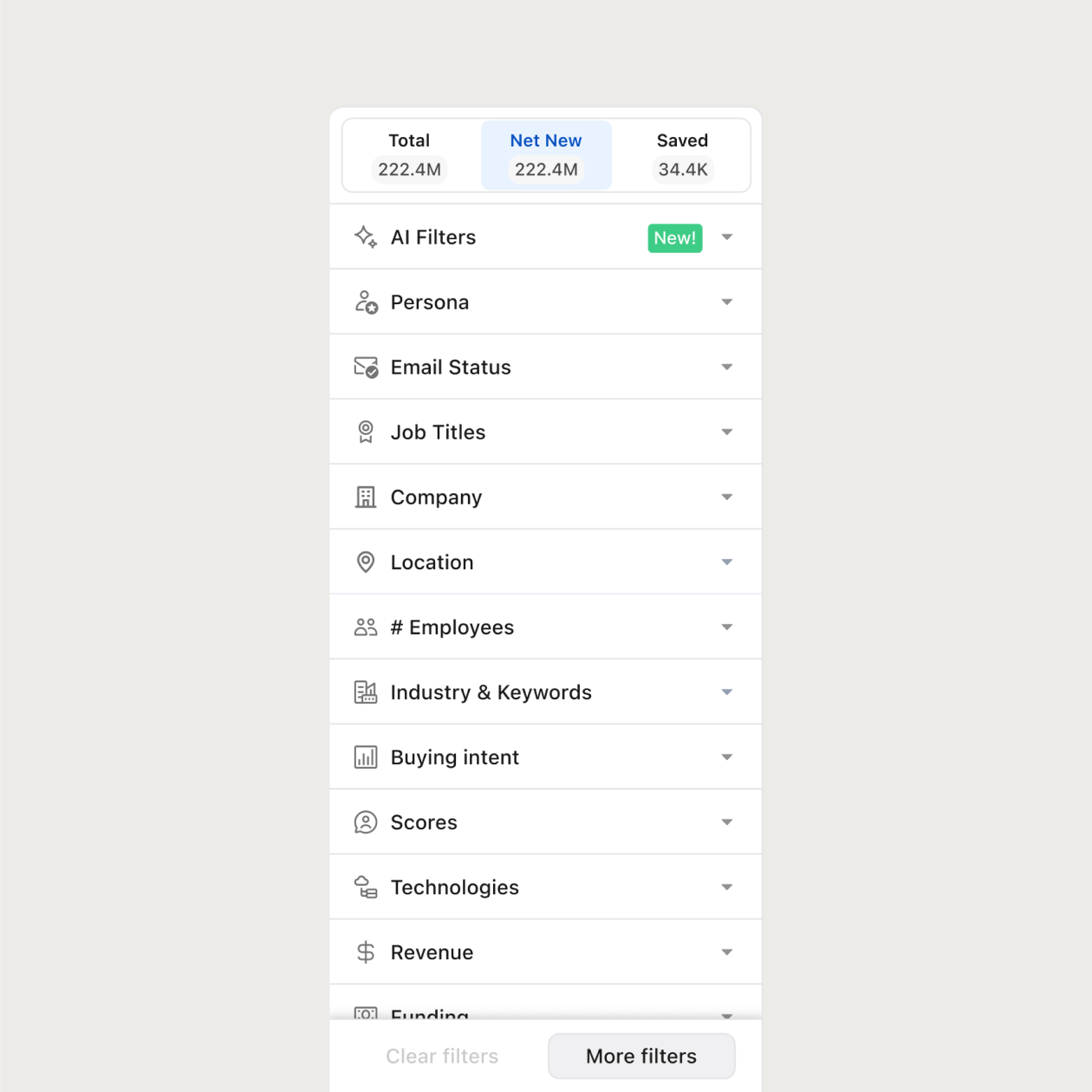
Apple Contacts
Sell into Apple with Confidence
Whether you’re targeting Apple’s Hardware division, Product Marketing, or engineering teams—Apollo gives you verified access to Apple’s key teams across Hardware, Marketing, and Engineering.
Filter by department: Hardware, Marketing, Engineering
Pinpoint decision-makers by title & function
Verified emails + direct phone numbers
The most loved sales platform on the planet
4.7/5 based on 9,690 reviews | GDPR Compliant





Frequently asked questions
Yes—Apollo includes verified VP, director, and senior manager contacts across Apple’s org.
Absolutely. You can filter Apple contacts by business unit, department, and function.
Yes—Apollo allows direct export to CSV or sync with Salesforce, HubSpot, and other tools.
Apollo refreshes contact records weekly to keep up with Apple’s evolving org structure and roles.
