How do I identify and reach Amazon procurement decision makers?
Breaking into Amazon's procurement network isn't about cold outreach – it's an invitation-only game where you need to prove your worth before even getting a seat at the table. Since Amazon's vendor program operates on an invitation-only basis, success requires strategic positioning through existing relationships, demonstrated business value, and understanding their hierarchical structure where major decisions flow from the CEO and S-team down through vendor managers. The key is building credibility through performance on Seller Central, leveraging specialized agencies (especially Seattle-based ones with established relationships), or connecting through existing vendors in your category.
- Build strategic positioning by demonstrating significant sales potential on Seller Central first, establishing yourself as a key industry player with solid market share, or driving innovation that turns heads through external traffic initiatives
- Partner with Seattle-based agencies specializing in your product category – they often have established relationships with the right vendor managers and can provide crucial introductions
- Target vendor managers as your primary contacts by calling Amazon's corporate number (206-266-1000) if you're already a vendor, or leverage vendor forums to network with existing suppliers who might share connections
- Focus your value proposition on cost control and efficiency, as according to PwC UK Digital Procurement Survey 2024, 65% of procurement departments prioritize cost control above other factors
What are the best engagement strategies for reaching Amazon decision-makers?
Amazon's procurement has evolved from relationship-driven to data-driven, with research showing that 75% of B2B buyers prefer a rep-free sales experience – yet buyers are 1.8 times more likely to complete high-quality deals when they combine digital tools with human interaction. Your engagement strategy must embrace this hybrid approach, providing self-service digital resources while maintaining strategic human touchpoints for complex discussions. Understanding Amazon's complex organizational structure is crucial, as it follows a vertical hierarchy where the S-team drives innovation and strategic decisions across divisions like AWS, Retail, and Operations.
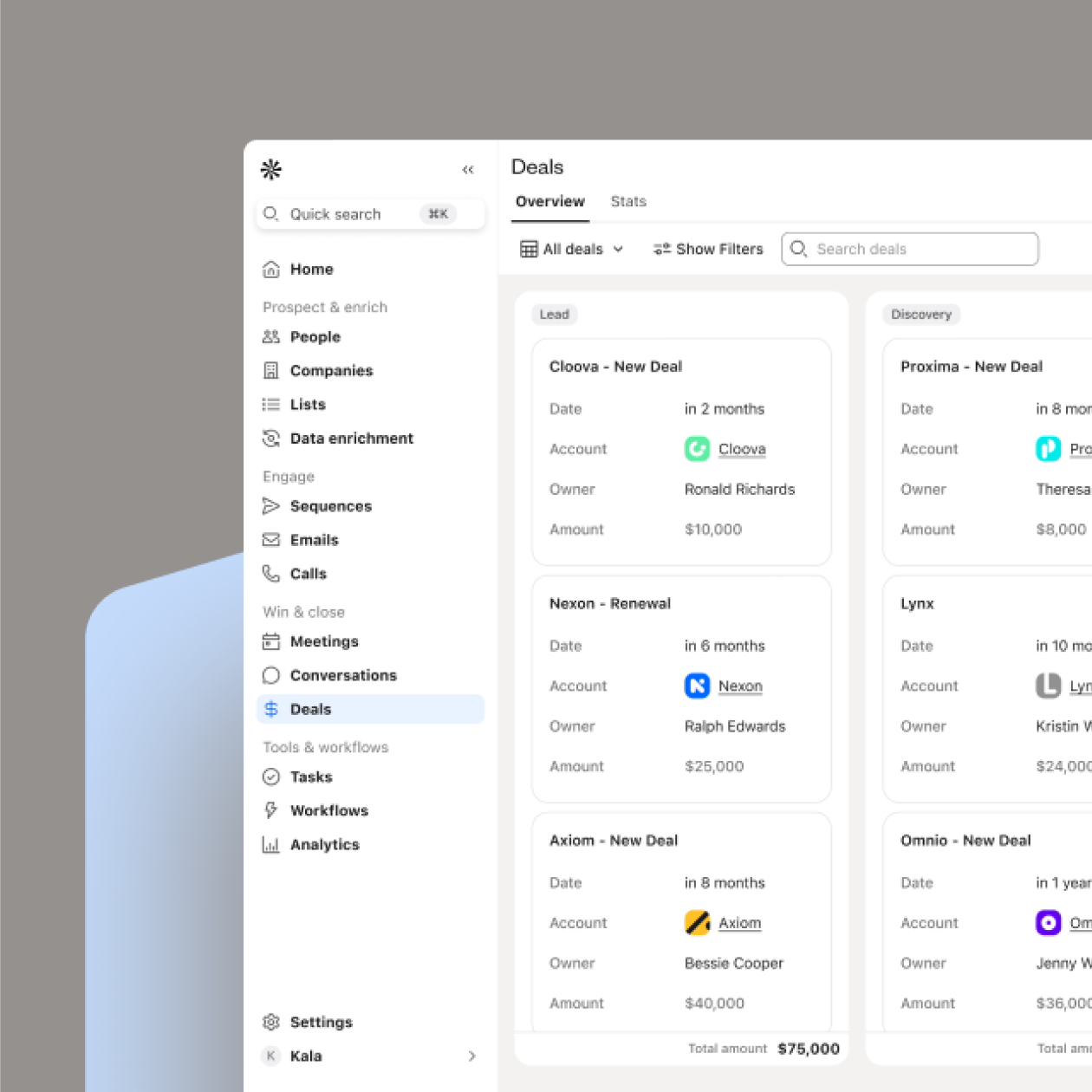
- Map Amazon's organizational structure deeply using tools like Apollo to identify key contacts, understand divisional focuses, and align your outreach with specific business units' priorities and growth strategies
- Create digital-first value propositions with self-service tools and resources that help procurement teams make informed decisions independently, while maintaining human touchpoints for strategic discussions
- Adopt account-based selling approaches that identify target divisions first and decision-makers second, recognizing that Amazon's complex structure requires engaging multiple stakeholders across different teams
- Align with Amazon's ESG priorities, as research indicates that 81% of procurement participants now have mandates to purchase from certified sellers, making sustainability and diversity credentials powerful differentiators
What vendor requirements does Amazon prioritize during supplier evaluation?
Amazon's vendor evaluation goes far beyond competitive pricing – they're looking for partners who can meet their rigorous compliance standards based on UN principles, demonstrate operational excellence, and commit to continuous improvement. The company conducts thousands of assessments annually (5,952 in 2021 alone) and requires ongoing compliance monitoring, with over half being continuous assessments rather than one-time evaluations. Since the vendor program is invitation-only, Amazon scouts for brands with proven marketplace performance, strong operational capabilities, and the infrastructure to handle enterprise-level partnerships.
- Lead with compliance credentials showcasing your adherence to Amazon's Supplier Code of Conduct, including certifications, audit history, and worker safety protocols – these matter more than low prices
- Demonstrate operational scale through documented case studies of managing large-volume orders for enterprise clients, proving you can handle Amazon's demanding fulfillment requirements without quality compromises
- Prepare for continuous assessment by implementing quality management systems, sustainability initiatives, and corrective action protocols that show commitment to ongoing improvement
- Ensure proper business infrastructure including LLC or corporation status, technical capabilities for large wholesale orders, and financial stability to handle extended payment terms
How do you navigate Amazon's multi-stakeholder procurement approval process?
Amazon's procurement operates through sophisticated multi-system architecture integrating platforms like Coupa and SAP Ariba, with automated workflows requiring multiple stakeholder approvals across departments. Less than half of procurement decision-makers have a strategic seat at the table according to recent research, but those who do – particularly CPOs working with CFOs and CIOs – wield significant influence over purchasing decisions. Success requires understanding their technology stack, mapping approval chains early, and providing documentation tailored to each stakeholder's specific concerns while demonstrating seamless integration capabilities.
- Map Amazon's procurement technology environment to identify whether they use Coupa, SAP Ariba, or custom systems, then configure your approach with cXML integrations and "PunchOut" capabilities for direct system connections
- Target strategic C-suite decision makers (CPOs, CFOs, CIOs) who collaborate on cross-functional decisions, not just procurement managers, and align your value propositions with company-wide strategic outcomes
- Create approval-ready packages addressing each stakeholder level: technical specifications for IT teams, compliance documentation for legal departments, and ROI projections for finance leaders
- Demonstrate digital procurement readiness by showing how your solution integrates with e-procurement systems while maintaining compliance controls, as 17% of procurement leaders cite lack of digital support as a major vendor challenge
What are Amazon's preferred contract terms for enterprise vendors?
Amazon's vendor contracts typically feature payment terms ranging from 30-90 days (averaging 60 days), mandatory allowances including 10% base accrual fees, 2-5% damage allowances, and variable freight allowances based on product specifications. Annual vendor negotiations begin in early November, requiring preparation starting in mid-August, with well-prepared vendors achieving 10-15% more favorable terms according to industry analysis. Every term is negotiable if you understand the leverage points – performance metrics, delivery rates, and compliance history all provide ammunition for negotiations.
- Prepare multiple pricing scenarios accounting for different payment terms and early payment discounts (1-3% QPDs), using longer payment cycles as leverage for better terms in other areas
- Calculate true margins including all mandatory allowances before committing – vendors often discover relationships are unprofitable after accounting for the typical 10% MDF, damage allowances, and freight fees
- Start negotiation preparation three months before contract expiration, using performance data on sales growth, on-time delivery, and compliance to justify pushing back on Amazon's margin improvement requests
- Leverage diversity certifications (VA, NGLCC, NMSDC, WBENC) as competitive advantages, especially when targeting federal contracts where 23% of spending must go to small businesses
VP-level contacts
Direct dials & verified emails
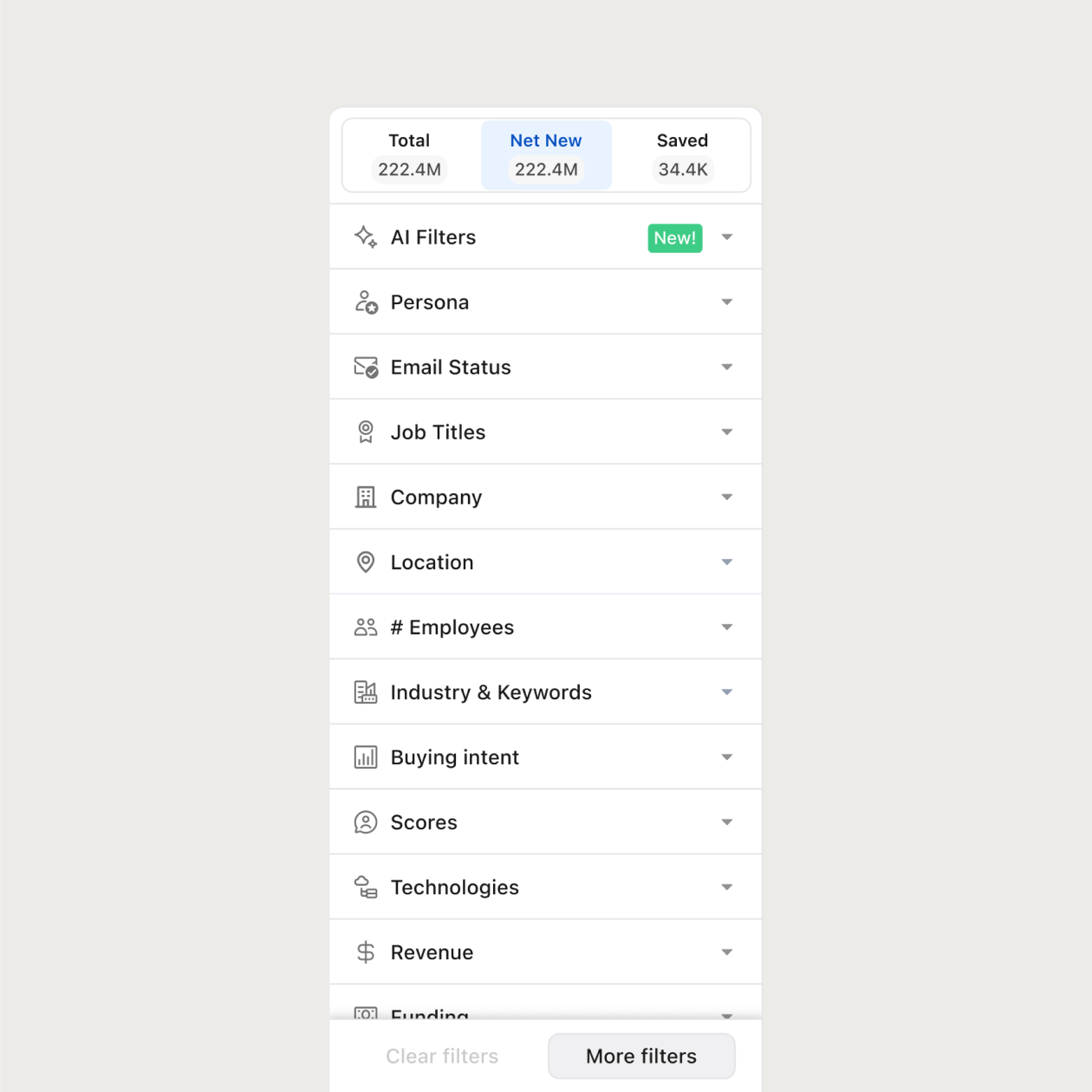
Org chart filters
Amazon Contacts
The most loved sales platform on the planet
4.7/5 based on 9,690 reviews | GDPR Compliant





Frequently asked questions
Yes—Apollo includes verified VP, director, and senior manager contacts across Amazon's org.
Absolutely. You can filter Amazon contacts by business unit, department, and function.
Yes—Apollo allows direct export to CSV or sync with Salesforce, HubSpot, and other tools.
Apollo refreshes contact records weekly to keep up with Amazon's changes in personnel.
